A hold instead of a package
Dry bulk cargo is loose solid material carried in quantity rather than divided into individual transport packages. Grain, iron ore and coal are familiar examples. A conventional bulk carrier divides its cargo space into a series of large holds, each reached through a hatch in the main deck. The hold contains the material; the hatch gives loading equipment access.
This differs from breakbulk cargo, despite the similar name. Breakbulk refers to separate pieces or packages handled individually, such as steel coils, timber bundles or machinery. Bulk cargo behaves as a mass of material. Its density, tendency to shift, moisture content and chemical characteristics can influence the voyage as much as its total weight.
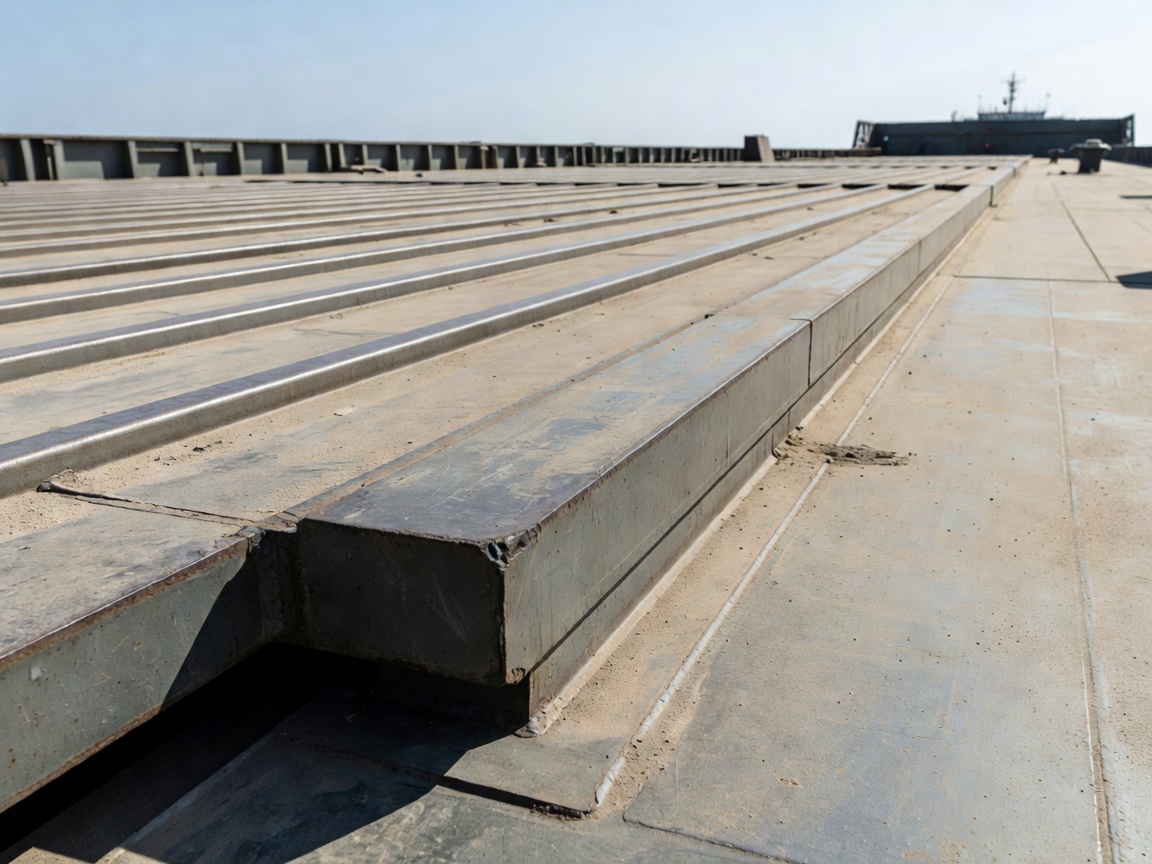
Hatch covers help keep seawater and weather away from the cargo when properly closed and maintained. They are not simply lids on storage bins: they form part of a shipboard system exposed to movement, spray and structural loads. Their design and condition matter, but a photograph cannot establish their weathertightness.
Shape the space around the pile
Many conventional bulk carriers have sloping upper and lower side structures around their holds. These can help reduce awkward corners and suit the behavior of loose cargo. Some adjoining spaces are used for ballast water, which helps manage the ship’s condition when cargo loads change. Designs vary, and not every bulk carrier shares one standard internal shape.
Density is a useful first distinction. Iron ore can impose substantial weight while occupying comparatively little volume. Grain generally requires more space for a given mass. This helps explain why cargo volume and deadweight are both relevant: a ship can run out of useful space or reach a permitted weight limit first.
The loading sequence is also important. Concentrating too much weight in the wrong location can overstress local structures or the hull as a whole. The ship and terminal agree a loading plan that accounts for cargo distribution, ballast operations and structural limits. The IMO’s BLU Code addresses safe loading and unloading of bulk carriers; it is not replaced by a general explanation like this one.
Move material, not individual boxes
Loading equipment often feeds material into the hold from a chute or conveyor system. Unloading may use grabs suspended from shipboard or shore cranes. Other terminals use continuous unloaders, and some ships have their own self-unloading arrangements. The equipment must suit the cargo, the vessel and the receiving terminal.
A geared bulk carrier has its own cargo-handling cranes or derricks. A gearless carrier depends on external arrangements. Shipboard gear can make a vessel useful at ports with less shore infrastructure, but it adds its own weight, maintenance and operating constraints. Neither arrangement is automatically better; each serves a different trading need.
Terms such as Handysize, Supramax, Panamax and Capesize are useful market shorthand, not a single universally fixed set of design specifications. Panamax has a historical connection to Panama Canal constraints, while Capesize describes ships associated with trades too large for certain canal routes. Modern canal access must be checked against current authority requirements and the actual vessel, not assumed from a market label.
“Dry” does not mean simple
Some solid bulk cargoes can liquefy or undergo dynamic separation under particular moisture and voyage conditions. Others may self-heat, release gases or reduce oxygen in enclosed spaces. These hazards cannot be judged by whether a pile looks dry at the surface. Cargo declarations, testing where required and the applicable carriage provisions are essential.
The International Maritime Solid Bulk Cargoes Code, commonly called the IMSBC Code, addresses solid bulk cargoes other than grain. Grain has its own framework under the International Grain Code. The distinction matters because a familiar food cargo can still shift and affect stability; everyday familiarity does not remove maritime risk.
At discharge, the hold must be emptied and prepared for its next intended cargo. Cleaning needs vary considerably: residues acceptable in one trade may contaminate another. Looking at the ship through this full cycle—loading, containment, discharge and preparation—makes its large hatches and practical internal spaces easier to understand.